Friday, March 15, 2019

Background on Charles Dickens

Overview:  Please view and take notes on the Charles Dickens documentary.  Then read and study the biographical information below, as well as the list of major works by Charles Dickens.  In this blog space, please comment on the material.  What did you learn about Charles Dickens?  What do you expect to see in his novel Oliver Twist?  Be bold.  Be brilliant.


His Life 

Charles Dickens is much loved for his great contribution to classic English literature. He was the quintessential Victorian author. His epic stories, vivid characters and exhaustive depiction of contemporary life are unforgettable.

His own story is one of rags to riches. He was born in Portsmouth on 7 February 1812, to John and Elizabeth Dickens. The good fortune of being sent to school at the age of nine was short-lived because his father, inspiration for the character of Mr Micawber in 'David Copperfield', was imprisoned for bad debt. The entire family, apart from Charles, were sent to Marshalsea along with their patriarch. Charles was sent to work in Warren's blacking factory and endured appalling conditions as well as loneliness and despair. After three years he was returned to school, but the experience was never forgotten and became fictionalized in two of his better-known novels 'David Copperfield' and 'Great Expectations'.

Like many others, he began his literary career as a journalist. His own father became a reporter and Charles began with the journals 'The Mirror of Parliament' and 'The True Sun'. Then in 1833 he became parliamentary journalist for The Morning Chronicle. With new contacts in the press he was able to publish a series of sketches under the pseudonym 'Boz'. In April 1836, he married Catherine Hogarth, daughter of George Hogarth who edited 'Sketches by Boz'. Within the same month came the publication of the highly successful 'Pickwick Papers', and from that point on there was no looking back for Dickens.

As well as a huge list of novels he published autobiography, edited weekly periodicals including 'Household Words' and 'All Year Round', wrote travel books and administered charitable organisations. He was also a theatre enthusiast, wrote plays and performed before Queen Victoria in 1851. His energy was inexhaustible and he spent much time abroad - for example lecturing against slavery in the United States and touring Italy with companions Augustus Egg and Wilkie Collins, a contemporary writer who inspired Dickens' final unfinished novel 'The Mystery of Edwin Drood'.

He was estranged from his wife in 1858 after the birth of their ten children, but maintained relations with his mistress, the actress Ellen Ternan. He died of a stroke in 1870. He is buried at Westminster Abbey.

His Work

Wondering what books Dickens wrote? He was the author of 15 novels. (However, one of those is incomplete.) He also wrote short stories, essays, articles and novellas.

The Pickwick Papers – 1836

The Pickwick Papers, also known as The Posthumous Papers of the Pickwick Club, was the first novel of Charles Dickens.  It was published by Chapman & Hall in monthly installments from March of 1836 until November 1837.  Dickens worked a very serious subject into comedic Pickwick Papers, that of the injustice of the justice system.

Oliver Twist – 1837

The second novel of Charles Dickens was Oliver Twist. The first edition had a longer title, Oliver Twist; or, The Parish Boy’s Progress.  It was initially published in monthly installments that began in February of 1837 and ended in April of 1839.  The character Fagin was named after Bob Fagin, a fellow employee that young Charles Dickens met when he worked at a blacking factory.

Nicholas Nickleby – 1838

The first installment of Nicholas Nickleby was published in March 31, 1838 and the last installment was published in October 1, 1839.  Dickens’s mother, Elizabeth Dickens, was the model for the always-confused Mrs. Nickleby. Luckily for Charles she didn’t recognize herself in the character. In fact, she asked someone if they “really believed there ever was such a woman”.

The Old Curiosity Shop – 1840

The Old Curiosity Shop was published in installments in the periodical, Master Humphrey’s Clock. The first installment was printed in April of 1840 and the last was printed in February of 1841. Dickens was traumatized by the death of the book’s character, Little Nell. As he was writing the novel he felt as though he were experiencing the death of one of his children. It also brought back painful memories of the death of his sister-in-law, Mary Hogarth.

Barnaby Rudge – 1841

Barnaby Rudge was published in installments from February to November of 1841. It appeared in the magazine Master Humphrey’s Clock.  The historical novel is set during the Gordon Riots of 1780.

Martin Chuzzlewit – 1843

Martin Chuzzlewit was first published by Chapman & Hall in installments that began in January of 1843 and ran through July of 1844. The novel was written after Dickens traveled to America in 1842. The trip left Dickens with a very unfavorable impression of the United States.

Dombey and Son – 1846

Dombey and Son was first published in installments that began in 1846 and ran through 1848. Dickens gave a reading of the first installment of Dombey to some of his friends. It went very well and gave Dickens the idea of doing public readings.

David Copperfield – 1849

David Copperfield, Dickens’s eighth novel, was first published as a serial. The first installment was published in May of 1849. The last installment was issued in November of 1850.  David Copperfield held a special place in Dickens’s heart. In the preface to the 1867 edition, Dickens wrote, “like many fond parents, I have in my heart of hearts a favourite child. And his name is David Copperfield.”

Bleak House – 1852

Bleak House was published in installments from March 1852 through September 1853. This novel has the distinction of being perhaps the only work of classic literature featuring a character that dies by spontaneous combustion.

Hard Times – 1854

The novel first appeared in Dickens’s Weekly periodical, Household Words. Hard Times was published in installments that began in April of 1854 and ran through August of 1854. Hard Times takes an unsympathetic look at Utilitarianism. This no-nonsense movement relied heavily on statistics, rules and regulations.

Little Dorrit – 1855

Little Dorrit was published in installments from December of 1855 through June of 1857. The Marshalsea debtors’ prison plays a large part in Little Dorrit. What very few people knew was that Dickens’s father had been sent to Marshalsea for three months.

A Tale of Two Cities – 1859

The first chapters of A Tale of Two Cities appeared in print in April of 1859. The last chapter was printed in November of that same year.  A play, The Frozen Deep, was the inspiration for A Tale of Two Cities. Not only did the play give Dickens the idea for A Tale of Two Cities, it brought about lasting changes to Dickens’s life in the form of Ellen Ternan.

Great Expectations – 1860

Great Expectations was initially published in All the Year Round, a weekly periodical founded and owned by Charles Dickens. There were nine monthly installments, running from December of 1860 until August 1861.  In the novel Pip, like Dickens himself, dreams of becoming a gentleman. However, Pip comes to realize that there is more to life than wealth and station.

Our Mutual Friend – 1864

Our Mutual Friend is the last novel that Charles Dickens completed before his death. An interesting feature of the novel is its focus on the “dust” business.

The Mystery of Edwin Drood – 1870

The Mystery of Edwin Drood was the fifteenth novel of Charles Dickens. Dickens was only halfway finished with the book when he died.


Thursday, February 28, 2019

Romeo & Juliet: The Musical!


Can Romeo and Juliet rewrite the stars?


“If Music be the food of love, play on
Give me excess of it…”
                                              Orsino from Twelfth Night (I,i,1-2)


Company Name: The Admirals Men were a theatre troupe in Shakespeare’s day. Give yourselves a name. Something that says, “Hey, we know our Shakespeare. Hire us, okay?”

Group 1:  Peyton, Mitch, Gannon, Sophia, Evan
Group 2:  Jayden, Lucas, Lucy, Julia, Renne, Abhi
Group 3:  Drew, Ben, Sean, Davis, Frankie, James

Timeline: Four Classes: Writing Script (2) Rehearsal (1)  Performances (1)

Script: Ten-minute Shakespeare: We should see a script with 50% Shakespearean text and 50% popular music lyrics. You must choose a theme and express it in either a series of moments in the play or you can do a quick cross section of the major moments. You must, however, have a unified beginning and end for the piece.

Soundtrack: How will you incorporate music into the piece? Will you develop a pop music soundtrack to line-up with the performance? Remember, that we also need to hear the actors. Will you use a classic music backdrop? Whatever you do, MAKE SURE THAT THE MUSIC FITS WITH YOUR THEME AND OVERALL VISION. In other words, if you choose a hip hop soundtrack, that will certainly influence the performance and theme. It may also influence how you cut the script. Maybe lines from the play can be sung or performed in spoken word (It certainly was meant to be sung, in a sense). Will you go Glee or Moulin Rouge and sing a pop song at major intervals. KEY: TAKE PRE-EXISTING SONGS AND TURN THEM INTO DUETS. CHANGE AND TWEEK LYRICS TO FIT PURPOSE.


Rehearsing and Choreography: THIS IS WHAT I WILL ALSO BE THINKING ABOUT WHEN I GRADE YOUR FINAL PERFORMANCE. MOVE AROUND PEOPLE! I will help you during rehearsals. For the songs (at least) have the lines and cues memorized. All prose and Shakespearean verse should be memorized to help the performance flow. Also, make sure all costumes and sets are ready to go and easy to execute. Also, make sure you have the music cued up and ready to go. Rehearsals are key.

Performances. If you are sick or cannot make it, you need to make the necessary arrangements with your group and Mr. Pellerin. Treat this assignment with the same respect as an exam. If you leave your group high and dry on performance day with no phone call or explanation, expect an F on the assignment.

So, what do I hand in?

1. A final cut script with song lyrics to Turnitin.com
2. A timeline explaining what was accomplished, as well as a list of who did what and when.
3. An actual performance. No more than 10 minutes long.

NOTE: Use of class/homework time will be a huge factor in your grade!!!

This will count as 1-2 major assessment grades


Example #1:  You Just Haven't Met Juliet


LADY MONTAGUE
O, where is Romeo? Saw you him to-day?
Right glad I am he was not at this fray.

BENVOLIO
Madam, an hour before the worshipp'd sun
Peer'd forth the golden window of the east,
A troubled mind drave me to walk abroad;
Where, underneath the grove of sycamore
That westward rooteth from the city's side,
So early walking did I see your son:
Towards him I made, but he was ware of me
And stole into the covert of the wood:
I, measuring his affections by my own,
That most are busied when they're most alone,
Pursued my humour not pursuing his,
And gladly shunn'd who gladly fled from me.

MONTAGUE
He, his own affections' counsellor,
Is to himself--I will not say how true--
But to himself so secret and so close,
So far from sounding and discovery,
As is the bud bit with an envious worm,
Ere he can spread his sweet leaves to the air,
Or dedicate his beauty to the sun.
Could we but learn from whence his sorrows grow?
We would as willingly give cure as know.

Enter ROMEO

BENVOLIO
See, where he comes: so please you, step aside;
I'll know his grievance, or be much denied.

Exeunt MONTAGUE and LADY MONTAGUE

BENVOLIO
Good-morrow, cousin.

ROMEO
Is the day so young?

BENVOLIO
But new struck nine.

ROMEO
Ay me! Sad hours seem long.
Was that my father that went hence so fast?

BENVOLIO
It was. What sadness lengthens Romeo's hours?

ROMEO
Not having that, which, having, makes them short.

BENVOLIO
In love?

ROMEO
Out—

BENVOLIO
Of love?

ROMEO
Out of her favour, where I am in love.

BENVOLIO
With whom?

ROMEO
Rosaline and she'll not be hit
With Cupid's arrow; she hath Dian's wit.

BENVOLIO
Then she hath sworn that she will still live chaste?

ROMEO
She hath, and in that sparing makes huge waste -

BENVOLIO
Alas, that love, so gentle in his view,
Should be so tyrannous and rough in proof!

ROMEO
Alas, that love, whose view is muffled still,
Should, without eyes, see pathways to his will!
Where shall we dine?
O me! What fray was here?
Yet tell me not, for I have heard it all.
Here's much to do with hate, but more with love.
Why, then, O brawling love! O loving hate!
O any thing, of nothing first create!
O heavy lightness! serious vanity!
Mis-shapen chaos of well-seeming forms!
Feather of lead, bright smoke, cold fire,
sick health!
Still-waking sleep, that is not what it is!
This love feel I, that feel no love in this.
Dost thou not laugh?

BENVOLIO
No, coz, I rather weep.

ROMEO
Good heart, at what?

(Servant enters and hands Benvolio and invitation and exits)

BENVOLIO
At thy good heart's oppression.
Coz, I just obtained an invitation to a party
At this same ancient feast of Capulet's
Sups the fair Rosaline whom thou so lovest,
With all the admired beauties of Verona:
Go thither; and, with unattainted eye,
Compare her face with some that I shall show,
And I will make thee think thy swan a crow.

ROMEO
When the devout religion of mine eye
Maintains such falsehood, then turn tears to fires;
And these, who often drown'd could never die,
Transparent heretics, be burnt for liars!
One fairer than my love! the all-seeing sun
Ne'er saw her match since first the world begun.

BENVOLIO
Tut, you saw her fair, none else being by,
Herself poised with herself in either eye:
But in that crystal scales let there be weigh'd
Your lady's love against some other maid….

BENVOLIO begins singing “I Just Haven’t Met You Yet” by Michael Buble


BENVOLIO
I'm not surprised
Not everything lasts
You've broken your heart so many times
I stopped keeping track.

ROMEO
Talk myself in,
I talk myself out.
I get all worked up
Then I let myself down.
I tried so very hard not to lose it

BENVOLIO
You came up with a million excuses

ROMEO
I thought I thought of every possibility

BENVOLIO
And I know someday that it'll all turn out
She'll make you work so you can work to work it out
And I promise you kid that you'll give so much more than you get
You just haven't met Juliet
Mmmmm ....

BENVOLIO
You might have to wait

ROMEO
I'll never give up

BENVOLIO
I guess it's half timing

ROMEO
And the other half's luck

BENVOLIO
Wherever you are

ROMEO
Whenever it's right

BENVOLIO
She'll come out of nowhere and into your life

JULIET enters

ROMEO (to JULIET)
And I know that we can be so amazing

JULIET (to ROMEO)
And baby your love is gonna change me

ROMEO
And now I can see every possibility
Hmmmmm ......

ROMEO and JULIET holding hands and singing in unison

ROMEO and JULIET
And somehow I know that it'll all turn out
And you'll make me work so we can work to work it out

ROMEO
And I promise you kid I'll give so much more than I get

JULIET
You just haven't met me yet

ROMEO
They say all's fair

JULIET
In love and war

ROMEO
But I won't need to fight it

JULIET
We'll get it by it

ROMEO and JULIET
We'll be united

ROMEO and JULIET dance during the interlude

ROMEO
And I know that we can be so amazing

JULIET
And being in your life is gonna kill me

ROMEO
And now I can see every single possibility
Hmmm .....

JULIET exits

ROMEO
And someday I know it'll all turn out

BENVOLIO enters

And I'll work to work it out

BENVOLIO
Promise you kid

ROMEO
I'll give more than I get
Than I get, than I get, than I get!

MERCUTIO enters

BENVOLIO, ROMEO and MERCUTIO (Dancing like the Rockettes)
Oh you know it'll all turn out
And you'll make me work so we can work to work it out
And I promise you kid to give so much more than I get
Yeah I just haven't met Juliet

ROMEO at center stage

ROMEO
I just haven't met Juliet
Oh promise you kid
To give so much more than I get

MERCUTIO and BENVOLIO

I said love love love love love love love .....

ROMEO
I just haven't met Juliet.


MERCUTIO and BENVOLIO
I said love love love love love love love .....

ROMEO
I just haven't met Juliet!

BENVOLIO
So come with me, Romeo
That I will show you shining at this feast,
And she shall scant show well that now shows best.

ROMEO
I'll go along, no such sight to be shown,
But to rejoice in splendor of mine own.

Exeunt


Example Two:  Then I defy you stars!


PROLOGUE
Two households, both alike in dignity,
In fair Verona, where we lay our scene,
From ancient grudge break to new mutiny,
Where civil blood makes civil hands unclean.
From forth the fatal loins of these two foes
A pair of star-cross'd lovers take their life;
Whose misadventured piteous overthrows
Do with their death bury their parents' strife.
The fearful passage of their death-mark'd love,
And the continuance of their parents' rage,
Which, but their children's end, nought could remove,
Is now the two hours' traffic of our stage;
The which if you with patient ears attend,
What here shall miss, our toil shall strive to mend.

Romeo enters with Mercutio and their entourage in masks

ROMEO
I dream'd a dream to-night.

MERCUTIO
And so did I.

ROMEO
Well, what was yours?

MERCUTIO
That dreamers often lie.

ROMEO
I fear, too early: for my mind misgives
Some consequence yet hanging in the stars
Shall bitterly begin his fearful date
With this night's revels and expire the term
Of a despised life closed in my breast
By some vile forfeit of untimely death.
But He, that hath the steerage of my course,
Direct my sail!

Bell tolls.

On, lusty gentlemen.

They all exit but Romeo.  Juliet enters.

ROMEO
O, she doth teach the torches to burn bright!
It seems she hangs upon the cheek of night
Like a rich jewel in an Ethiope's ear;
Beauty too rich for use, for earth too dear!
So shows a snowy dove trooping with crows,
As yonder lady o'er her fellows shows.
The measure done, I'll watch her place of stand,
And, touching hers, make blessed my rude hand.
Did my heart love till now? forswear it, sight!
For I ne'er saw true beauty till this night.


ROMEO
[To JULIET] If I profane with my unworthiest hand
This holy shrine, the gentle fine is this:
My lips, two blushing pilgrims, ready stand
To smooth that rough touch with a tender kiss.

JULIET
Good pilgrim, you do wrong your hand too much,
Which mannerly devotion shows in this;
For saints have hands that pilgrims' hands do touch,
And palm to palm is holy palmers' kiss.

ROMEO
Have not saints lips, and holy palmers too?

JULIET
Ay, pilgrim, lips that they must use in prayer.

ROMEO
O, then, dear saint, let lips do what hands do;
They pray, grant thou, lest faith turn to despair.

JULIET
Saints do not move, though grant for prayers' sake.

ROMEO
Then move not, while my prayer's effect I take.
Thus from my lips, by yours, my sin is purged.

JULIET
Then have my lips the sin that they have took.

ROMEO
Sin from thy lips? O trespass sweetly urged!
Give me my sin again.

JULIET
You kiss by the book.

BENVOLIO enters, whispers in ROMEO'S ear, and exits.

ROMEO
Is she a Capulet?
O dear account! my life is my foe's debt.

NURSE enters, whispers in JULIET"S ear, and exits.

JULIET
My only love sprung from my only hate!
Too early seen unknown, and known too late!
Prodigious birth of love it is to me,
That I must love a loathed enemy.

JULIET
O Romeo, Romeo! wherefore art thou Romeo?
Deny thy father and refuse thy name;
Or, if thou wilt not, be but sworn my love,
And I'll no longer be a Capulet.
Tis but thy name that is my enemy;
Thou art thyself, though not a Montague.
What's Montague? it is nor hand, nor foot,
Nor arm, nor face, nor any other part
Belonging to a man. O, be some other name!
What's in a name? that which we call a rose
By any other name would smell as sweet;
So Romeo would, were he not Romeo call'd,
Retain that dear perfection which he owes
Without that title. Romeo, doff thy name,
And for that name which is no part of thee
Take all myself.

ROMEO
I take thee at thy word:
Call me but love, and I'll be new baptized;
Henceforth I never will be Romeo.

JULIET
What man art thou that thus bescreen'd in night
So stumblest on my counsel?

ROMEO
By a name
I know not how to tell thee who I am:
My name, dear saint, is hateful to myself,
Because it is an enemy to thee;
Had I it written, I would tear the word.

JULIET
My ears have not yet drunk a hundred words
Of that tongue's utterance, yet I know the sound:
Art thou not Romeo and a Montague?

ROMEO
Neither, fair saint, if either thee dislike.

JULIET
How camest thou hither, tell me, and wherefore?
The orchard walls are high and hard to climb,
And the place death, considering who thou art,
If any of my kinsmen find thee here.

ROMEO
With love's light wings did I o'er-perch these walls;
For stony limits cannot hold love out,
And what love can do that dares love attempt;
Therefore thy kinsmen are no let to me.

JULIET
If they do see thee, they will murder thee.

ROMEO
Alack, there lies more peril in thine eye
Than twenty of their swords: look thou but sweet,
And I am proof against their enmity.

JULIET
I would not for the world they saw thee here.

ROMEO
I have night's cloak to hide me from their sight;
And but thou love me, let them find me here:
My life were better ended by their hate,
Than death prorogued, wanting of thy love.

JULIET
By whose direction found'st thou out this place?

ROMEO
By love, who first did prompt me to inquire;
He lent me counsel and I lent him eyes.
I am no pilot; yet, wert thou as far
As that vast shore wash'd with the farthest sea,
I would adventure for such merchandise.

JULIET
But our families will never conset to our love.  It is impossible.

ROMEO begins singing to JULIET Rewrite the Stars from The Greatest Showman.


ROMEO
You know I want you
It's not a secret I try to hide
I know you want me
So don't keep saying our hands are tied
You claim it's not in the cards
Fate is pulling you miles away
And out of reach from me
But you're here in my heart
So who can stop me if I decide
That you're my destiny?
What if we rewrite the stars?
Say you were made to be mine
Nothing could keep us apart
You'd be the one I was meant to find
It's up to you, and it's up to me
No one can say what we get to be
So why don't we rewrite the stars?
Maybe the world could be ours
Tonight

JULIET
You think it's easy
You think I don't want to run to you
But there are mountains
And there are doors that we can't walk through
I know you're wondering why
Because we're able to be
Just you and me
Within these walls
But when we go outside
You're going to wake up and see that it was hopeless after all
No one can rewrite the stars
How can you say you'll be mine?
Everything keeps us apart
And I'm not the one you were meant to find
It's not up to you
It's not up to me
When everyone tells us what we can be
How can we rewrite the stars?
Say that the world can be ours
Tonight

TOGETHER
All I want is to fly with you
All I want is to fall with you
So just give me all of you

JULIET
It feels impossible (it's not impossible)

ROMEO
Is it impossible?

TOGETHER
Say that it's possible
How do we rewrite the stars?
Say you were made to be mine?
Nothing can keep us apart
'Cause you are the one I was meant to find
It's up to you
And it's up to me
No one can say what we get to be
And why don't we rewrite the stars?
Changing the world to be ours

JULIET
You know I want you
It's not a secret I try to hide
But I can't have you
We're bound to break and my hands are tied

JULIET turns to go

ROMEO
O, wilt thou leave me so unsatisfied

JULIET
What satisfaction canst thou have to-night?

ROMEO
The exchange of thy love's faithful vow for mine.

JULIET
I gave thee mine before thou didst request it:
And yet I would it were to give again.

ROMEO
Wouldst thou withdraw it? for what purpose, love?

JULIET
But to be frank, and give it thee again.
And yet I wish but for the thing I have:
My bounty is as boundless as the sea,
My love as deep; the more I give to thee,
The more I have, for both are infinite.


RUBRIC
D or F performances
  • Anything less than the C performances below
C performances
  • Complete script for Mr. Pellerin & each group member (no trips to copy machine)
  • Script contains:
  • Clear theme
  • Interesting story development
  • Pop music and Shakespearean text integrated
  • Performance of scripts, in hand, is moderately smooth. Just periodic stops for technical difficulties
  • Costumes
  • Performance with all members occurs on the assigned date
B performances have all the above and…
  • Script contains:  Meaningfully theme – Nuanced and philosophical
  • Complex plot development
  • Songs are meaningful and well placed (though perhaps a bit long, and/or one “note” meanings)
  • Well chosen moments from the text – a strong cross section of the play
  • Performance is smooth. Though not memorized, the performers know the material inside and out. Choices about technology, blocking, costumes, and the like are thought out beforehand.
A performances have all the above and…
  • Script contains: Themes and concepts are thought provoking. Shows us multiple sides to the issues presented
  • Clear theme – Nuanced and philosophical – Goes beyond stereotypes to get at the heart of the matter
  • Complex plot development and seamlessly thread together as if this were an original play and not a Frankenstein monster of moments
  • Songs are meaningful, well placed and preformed with feeling
  • Well chosen – a Strong cross section of the play – Tight!
  • Script is nuanced. Every line is thoughtfully spliced and there is a definite beginning, middle and end to the performance.
  • Performance is smooth and choreography is fun and meaningful. All props and cues are hit. One or two members attempted to memorize parts. Members tried to use note cards.
  • Costumes and staging are thoughtfully planned ahead of time and a world is created
  • We are all speechless

Monday, February 25, 2019

Due Monday, March 4th - "Romeo and Juliet" Essay (Formatting Help Below)


Directions:  Using the rough draft you composed in the last blog, please refine your initial response into a fully processed essay.  In class, we will work on thesis statements, transitions, and formatting Shakespearean language.  When your piece is completed, please post it to Turnitin.com for a formal grade.

Formatting Help

Title:

Dueling Dualities:  Romeo's Devolution into Violence through Love and Hate


Introduction with thesis statement:

          In William Shakespeare’s The Tragedy of Romeo and Juliet, dramatic irony is used by telling the readers the ending of the play before it begins. In the prologue, the Chorus tells the audience of the family feud between the Capulets and Montagues and that it has been going on for generations. The readers learn that “A pair of star-crossed lovers take their life,/Whose misadventured piteous overthrows/Doth with their death bury their parents strife”(Prologue). This play is meant to further describe how two lovers took their lives and how the family feud was put to rest. Since Shakespeare used dramatic irony in Romeo and Juliet, certain lines are written so that the audience has more knowledge than the characters, creating suspense for the audience while waiting for certain events to occur. Through using dramatic irony to create suspense and highlight the thoughts and actions of its main characters, Shakespeare has caused the audience to examine the balancing forces of fate and freewill in his work.


Formatting quotations under two lines:

Romeo feels that “Some consequence, yet hanging in the stars,/Shall bitterly begin his fearful date” and only cause him more heart ache. Although Romeo feels this way, he is able to let “the steerage of this course/Direct my sail!”(I.iv.117-120).


Formatting longer passages
:

           The Nurse clearly cares greatly about Juliet but she seems not to trust Juliet's judgment; this lack of trust is a serious problem in any society or story. The Nurse grows to approve of the couple but after Romeo is banished, it seems that this approval was tenuous and simply awaiting another when she says:
                                                                        Faith, here it is.
                      Romeo is banish'd; and all the world to nothing,
                      That he dares ne'er come back to challenge you;
                      Or, if he do, it needs must be by stealth.
                      Then, since the case so stands as now it doth,
                      I think it best you married with the county...
                      I think you are happy in this second match,
                      For it excels your first: or if it did not,
                      Your first is dead; or 'twere as good he were,
                      As living here and you no use of him (III.v.228-237)

          The Nurse forgets Romeo in the blink of an eye, forgetting how devoted Juliet is and making the mistake of losing Juliet's trust by attempting to steer her wrong.

Wednesday, February 13, 2019

Due Friday, February 15th - Analysis of "Romeo and Juliet" by William Shakespeare


Frederic Leighton's The Reconciliation of the Montagues and the Capulets over the Dead Bodies of Romeo and Juliet

Directions: Please choose one of the prompts below. Compose a COMPREHENSIVE blog response on the play. Take a side. Make an argument. Share an opinion. Use 3-4 direct examples from the text to back-up your argument. I included a list of quotations from the text, below, to help guide you in this process.  Read them over.  It will help you review the text.  NOTE:  This will be the rough draft of the essay you will compose when you return from vacation, so give it your best effort.

Prompts

A. In great literature, no scene of violence exists for its own sake. In Romeo and Juliet, there are several scenes that confronts the reader or audience with violence:  The opening street brawl, death of Mercutio, death of Tybalt, Lord Capulet's rage, Romeo threatening the apothecary, the death of Paris, as well as Romeo and Juliet's suicide.  In a well-organized essay, explain how these scenes contribute to the meaning of the complete work.  Do not merely summarize the plot.

B.  Works of literature often depict acts of betrayal. Friends and even family may betray a protagonist; main characters may likewise be guilty of treachery or may betray their own values. Romeo and Juliet includes several acts of betrayal, most of which befall Juliet. The following characters betray Juliet to varying degrees:  Lord Capulet, Lady Capulet, Tybalt, Romeo, Nurse, Friar Laurence, and the Prince.  In a well-written essay, analyze the nature of these betrayals in order from least to most significant and show how it contributes to the meaning of the work as a whole.  Do not merely summarize the plot.

C. In some novels and plays certain parallel or recurring events prove to be significant. Romeo and Juliet contains several major sequences of parallel or recurring events.  When you look at these moments in pairs, you can compare and contrast the development of the characters and the meaning of the work as a whole.  Some major parallels include:  
1)  Opening street brawl/End
2)  The balcony scene/Their death
3)  Death of Mercutio and Tybalt/Death of Paris 
4)  Each of Friar Laurence's attempts to get Romeo and Juliet together.
Compose an essay exploring the above and how it impacts the meaning of the work on the whole.  Do not merely summarize the plot.


Major Quotations from Romeo and Juliet by William Shakespeare
Act I.

1. Two households, both alike in dignity, 
In fair Verona, where we lay our scene,
From ancient grudge break to new mutiny,
Where civil blood makes civil hands unclean.
From forth the fatal loins of these two foes
A pair of star-cross'd lovers take their life;
Whole misadventured piteous overthrows
Do with their death bury their parents' strife.
The fearful passage of their death-mark'd love,
the continuance of their parents' rage,
Which, but their children's end, nought could remove,
Is now the two hours' traffic of our stage;
The which if you with patient ears attend,
What here shall miss, our toil shall strive to mend.

2. What, drawn, and talk of peace! I hate the word,
As I hate hell, all Montagues, and thee:
Have at thee, coward!

3. Rebellious subjects, enemies to peace,
Profaners of this neighbour-stained steel,–
Will they not hear? What, ho! you men, you beasts,
That quench the fire of your pernicious rage
With purple fountains issuing from your veins,
On pain of torture, from those bloody hands
Throw your mistemper'd weapons to the ground,
And hear the sentence of your moved prince.
Three civil brawls, bred of an airy word,
By thee, old Capulet, and Montague,
Have thrice disturb'd the quiet of our streets,
And made Verona's ancient citizens
Cast by their grave beseeming ornaments,
To wield old partisans, in hands as old,
Canker'd with peace, to part your canker'd hate:
If ever you disturb our streets again,
Your lives shall pay the forfeit of the peace.
For this time, all the rest depart away:
You Capulet; shall go along with me:
And, Montague, come you this afternoon,
To know our further pleasure in this case,
To old Free-town, our common judgment-place.
Once more, on pain of death, all men depart.

4. Here were the servants of your adversary,
And yours, close fighting ere I did approach:
I drew to part them: in the instant came
The fiery Tybalt, with his sword prepared,
Which, as he breathed defiance to my ears,
He swung about his head and cut the winds,
Who nothing hurt withal hiss'd him in scorn:
While we were interchanging thrusts and blows,
Came more and more and fought on part and part,
Till the prince came, who parted either part.

5. Alas, that love, whose view is muffled still,
Should, without eyes, see pathways to his will!
Where shall we dine? O me! What fray was here?
Yet tell me not, for I have heard it all.
Here's much to do with hate, but more with love.
Why, then, O brawling love! O loving hate!
O any thing, of nothing first create!
O heavy lightness! serious vanity!
Mis-shapen chaos of well-seeming forms!
Feather of lead, bright smoke, cold fire,
sick health!
Still-waking sleep, that is not what it is!
This love feel I, that feel no love in this.
Dost thou not laugh?

6. At this same ancient feast of Capulet's
Sups the fair Rosaline whom thou so lovest,
With all the admired beauties of Verona:
Go thither; and, with unattainted eye,
Compare her face with some that I shall show,
And I will make thee think thy swan a crow.

7. Yes, madam: yet I cannot choose but laugh,
To think it should leave crying and say 'Ay.'
And yet, I warrant, it had upon its brow
A bump as big as a young cockerel's stone;
A parlous knock; and it cried bitterly:
'Yea,' quoth my husband,'fall'st upon thy face?
Thou wilt fall backward when thou comest to age;
Wilt thou not, Jule?' it stinted and said 'Ay.'

8. What say you? Can you love the gentleman?
This night you shall behold him at our feast;
Read o'er the volume of young Paris' face,
And find delight writ there with beauty's pen;
Examine every married lineament,
And see how one another lends content
And what obscured in this fair volume lies
Find written in the margent of his eyes.
This precious book of love, this unbound lover,
To beautify him, only lacks a cover:
The fish lives in the sea, and 'tis much pride
For fair without the fair within to hide:
That book in many's eyes doth share the glory,
That in gold clasps locks in the golden story;
So shall you share all that he doth possess,
By having him, making yourself no less.

9. I'll look to like, if looking liking move:
But no more deep will I endart mine eye
Than your consent gives strength to make it fly.

10. O, then, I see Queen Mab hath been with you.
She is the fairies' midwife, and she comes
In shape no bigger than an agate-stone
On the fore-finger of an alderman,
Drawn with a team of little atomies
Athwart men's noses as they lie asleep;
Her wagon-spokes made of long spiders' legs,
The cover of the wings of grasshoppers,
The traces of the smallest spider's web,
The collars of the moonshine's watery beams,
Her whip of cricket's bone, the lash of film,
Her wagoner a small grey-coated gnat,
Not so big as a round little worm
Prick'd from the lazy finger of a maid;
Her chariot is an empty hazel-nut
Made by the joiner squirrel or old grub,
Time out o' mind the fairies' coachmakers.
And in this state she gallops night by night
Through lovers' brains, and then they dream of love;
O'er courtiers' knees, that dream on court'sies straight,
O'er lawyers' fingers, who straight dream on fees,
O'er ladies ' lips, who straight on kisses dream,
Which oft the angry Mab with blisters plagues,
Because their breaths with sweetmeats tainted are:
Sometime she gallops o'er a courtier's nose,
And then dreams he of smelling out a suit;
And sometime comes she with a tithe-pig's tail
Tickling a parson's nose as a' lies asleep,
Then dreams, he of another benefice:
Sometime she driveth o'er a soldier's neck,
And then dreams he of cutting foreign throats,
Of breaches, ambuscadoes, Spanish blades,
Of healths five-fathom deep; and then anon
Drums in his ear, at which he starts and wakes,
And being thus frighted swears a prayer or two
And sleeps again. This is that very Mab
That plats the manes of horses in the night,
And bakes the elflocks in foul sluttish hairs,
Which once untangled, much misfortune bodes:
This is the hag, when maids lie on their backs,
That presses them and learns them first to bear,
Making them women of good carriage:
This is she–

11. I fear, too early: for my mind misgives
Some consequence yet hanging in the stars
Shall bitterly begin his fearful date
With this night's revels and expire the term
Of a despised life closed in my breast
By some vile forfeit of untimely death.
But He, that hath the steerage of my course,
Direct my sail! On, lusty gentlemen.

12. O, she doth teach the torches to burn bright!
It seems she hangs upon the cheek of night
Like a rich jewel in an Ethiope's ear;
Beauty too rich for use, for earth too dear!
So shows a snowy dove trooping with crows,
As yonder lady o'er her fellows shows.
The measure done, I'll watch her place of stand,
And, touching hers, make blessed my rude hand.
Did my heart love till now? forswear it, sight!
For I ne'er saw true beauty till this night.

13. This, by his voice, should be a Montague.
Fetch me my rapier, boy. What dares the slave
Come hither, cover'd with an antic face,
To fleer and scorn at our solemnity?
Now, by the stock and honour of my kin,
To strike him dead, I hold it not a sin.

14. He shall be endured:
What, goodman boy! I say, he shall: go to;
Am I the master here, or you? go to.
You'll not endure him! God shall mend my soul!
You'll make a mutiny among my guests!
You will set cock-a- hoop! you'll be the man!

15. Is she a Capulet?
O dear account! my life is my foe's debt.

16. My only love sprung from my only hate!
Too early seen unknown, and known too late!
Prodigious birth of love it is to me,
That I must love a loathed enemy.


Act II.

17. But, soft! what light through yonder window breaks?
It is the east, and Juliet is the sun.
Arise, fair sun, and kill the envious moon,
Who is already sick and pale with grief,
That thou her maid art far more fair than she:
Be not her maid, since she is envious;
Her vestal livery is but sick and green
And none but fools do wear it; cast it off.
It is my lady, O, it is my love!
O, that she knew she were!
She speaks yet she says nothing: what of that?
Her eye discourses; I will answer it.
I am too bold, 'tis not to me she speaks:
Two of the fairest stars in all the heaven,
Having some business, do entreat her eyes
To twinkle in their spheres till they return.
What if her eyes were there, they in her head?
The brightness of her cheek would shame those stars,
As daylight doth a lamp; her eyes in heaven
Would through the airy region stream so bright
That birds would sing and think it were not night.
See, how she leans her cheek upon her hand!
O, that I were a glove upon that hand,
That I might touch that cheek!

18. 'Tis but thy name that is my enemy;
Thou art thyself, though not a Montague.
What's Montague? it is nor hand, nor foot,
Nor arm, nor face, nor any other part
Belonging to a man. O, be some other name!
What's in a name? that which we call a rose
By any other name would smell as sweet;
So Romeo would, were he not Romeo call'd,
Retain that dear perfection which he owes
Without that title. Romeo, doff thy name,
And for that name which is no part of thee
Take all myself.

19. O, swear not by the moon, the inconstant moon,
That monthly changes in her circled orb,
Lest that thy love prove likewise variable.

20. Sleep dwell upon thine eyes, peace in thy breast!
Would I were sleep and peace, so sweet to rest!
Hence will I to my ghostly father's cell,
His help to crave, and my dear hap to tell.

21. Holy Saint Francis, what a change is here!
Is Rosaline, whom thou didst love so dear,
So soon forsaken? young men's love then lies
Not truly in their hearts, but in their eyes.
Jesu Maria, what a deal of brine
Hath wash'd thy sallow cheeks for Rosaline!
How much salt water thrown away in waste,
To season love, that of it doth not taste!
The sun not yet thy sighs from heaven clears,
Thy old groans ring yet in my ancient ears;
Lo, here upon thy cheek the stain doth sit
Of an old tear that is not wash'd off yet:
If e'er thou wast thyself and these woes thine,
Thou and these woes were all for Rosaline:
And art thou changed? pronounce this sentence then,
Women may fall, when there's no strength in men.

22. More than prince of cats, I can tell you. O, he is
the courageous captain of compliments. He fights as
you sing prick-song, keeps time, distance, and
proportion; rests me his minim rest, one, two, and
the third in your bosom: the very butcher of a silk
button, a duellist, a duellist; a gentleman of the
very first house, of the first and second cause:
ah, the immortal passado! the punto reverso! the
hai!

23. The clock struck nine when I did send the nurse;
In half an hour she promised to return.
Perchance she cannot meet him: that's not so.
O, she is lame! love's heralds should be thoughts,
Which ten times faster glide than the sun's beams,
Driving back shadows over louring hills:
Therefore do nimble-pinion'd doves draw love,
And therefore hath the wind-swift Cupid wings.
Now is the sun upon the highmost hill
Of this day's journey, and from nine till twelve
Is three long hours, yet she is not come.
Had she affections and warm youthful blood,
She would be as swift in motion as a ball;
My words would bandy her to my sweet love,
And his to me:
But old folks, many feign as they were dead;
Unwieldy, slow, heavy and pale as lead.
O God, she comes!

24. Well, you have made a simple choice; you know not
how to choose a man: Romeo! no, not he; though his
face be better than any man's, yet his leg excels
all men's; and for a hand, and a foot, and a body,
though they be not to be talked on, yet they are
past compare: he is not the flower of courtesy,
but, I'll warrant him, as gentle as a lamb. Go thy
ways, wench; serve God. What, have you dined at home?


Act III.

25. I pray thee, good Mercutio, let's retire:
The day is hot, the Capulets abroad,
And, if we meet, we shall not scape a brawl;
For now, these hot days, is the mad blood stirring.

26. I do protest, I never injured thee,
But love thee better than thou canst devise,
Till thou shalt know the reason of my love:
And so, good Capulet, –which name I tender
As dearly as my own, –be satisfied.

27. Good king of cats, nothing but one of your nine
lives; that I mean to make bold withal, and as you
shall use me hereafter, drybeat the rest of the
eight. Will you pluck your sword out of his pitcher
by the ears? make haste, lest mine be about your
ears ere it be out.

28. No, 'tis not so deep as a well, nor so wide as a
church-door; but 'tis enough,'twill serve: ask for
me to- morrow, and you shall find me a grave man. I
am peppered, I warrant, for this world. A plague o'
both your houses! 'Zounds, a dog, a rat, a mouse, a
cat, to scratch a man to death! a braggart, a
rogue, a villain, that fights by the book of
arithmetic! Why the devil came you between us? I
was hurt under your arm.

29. Now, Tybalt, take the villain back again,
That late thou gavest me; for Mercutio's soul
Is but a little way above our heads,
Staying for thine to keep him company:
Either thou, or I, or both, must go with him.

30. Thou, wretched boy, that didst consort him here,
Shalt with him hence.

31. O, I am fortune's fool!

32. Tybalt, here slain, whom Romeo's hand did slay;
Romeo that spoke him fair, bade him bethink
How nice the quarrel was, and urged withal
Your high displeasure: all this uttered
With gentle breath, calm look, knees humbly bow'd,
Could not take truce with the unruly spleen
Of Tybalt deaf to peace, but that he tilts
With piercing steel at bold Mercutio's breast,
Who all as hot, turns deadly point to point,
And, with a martial scorn, with one hand beats
Cold death aside, and with the other sends
It back to Tybalt, whose dexterity,
Retorts it: Romeo he cries aloud,
'Hold, friends! friends, part!' and, swifter than
his tongue,
His agile arm beats down their fatal points,
And 'twixt them rushes; underneath whose arm
An envious thrust from Tybalt hit the life
Of stout Mercutio, and then Tybalt fled;
But by and by comes back to Romeo,
Who had but newly entertain'd revenge,
And to 't they go like lightning, for, ere I
Could draw to part them, was stout Tybalt slain.
And, as he fell, did Romeo turn and fly.
This is the truth, or let Benvolio die.

33. And for that offence
Immediately we do exile him hence:
I have an interest in your hate's proceeding,
My blood for your rude brawls doth lie a-bleeding;
But I'll amerce you with so strong a fine
That you shall all repent the loss of mine:
I will be deaf to pleading and excuses;
Nor tears nor prayers shall purchase out abuses:
Therefore use none: let Romeo hence in haste,
Else, when he's found, that hour is his last.
Bear hence this body and attend our will:
Mercy but murders, pardoning those that kill.

34. O serpent heart, hid with a flowering face!
Did ever dragon keep so fair a cave?
Beautiful tyrant! fiend angelical!
Dove-feather'd raven! wolvish-ravening lamb!
Despised substance of divinest show!
Just opposite to what thou justly seem'st,
A damned saint, an honourable villain!
O nature, what hadst thou to do in hell,
When thou didst bower the spirit of a fiend
In moral paradise of such sweet flesh?
Was ever book containing such vile matter
So fairly bound? O that deceit should dwell
In such a gorgeous palace!

35. There's no trust,
No faith, no honesty in men; all perjured,
All forsworn, all naught, all dissemblers.
Ah, where's my man? give me some aqua vitae:
These griefs, these woes, these sorrows make me old.
Shame come to Romeo!

36. There is no world without Verona walls,
But purgatory, torture, hell itself.
Hence-banished is banish'd from the world,
And world's exile is death: then banished,
Is death mis-term'd: calling death banishment,
Thou cutt'st my head off with a golden axe,
And smilest upon the stroke that murders me.

37. Hold thy desperate hand:
Art thou a man? thy form cries out thou art:
Thy tears are womanish; thy wild acts denote
The unreasonable fury of a beast:
Unseemly woman in a seeming man!
Or ill-beseeming beast in seeming both!
Thou hast amazed me: by my holy order,
I thought thy disposition better temper'd.
Hast thou slain Tybalt? wilt thou slay thyself?
And stay thy lady too that lives in thee,
By doing damned hate upon thyself?
Why rail'st thou on thy birth, the heaven, and earth?
Since birth, and heaven, and earth, all three do meet
In thee at once; which thou at once wouldst lose.
Fie, fie, thou shamest thy shape, thy love, thy wit;
Which, like a usurer, abound'st in all,
And usest none in that true use indeed
Which should bedeck thy shape, thy love, thy wit:
Thy noble shape is but a form of wax,
Digressing from the valour of a man;
Thy dear love sworn but hollow perjury,
Killing that love which thou hast vow'd to cherish;
Thy wit, that ornament to shape and love,
Misshapen in the conduct of them both,
Like powder in a skitless soldier's flask,
Is set afire by thine own ignorance,
And thou dismember'd with thine own defence.
What, rouse thee, man! thy Juliet is alive,
For whose dear sake thou wast but lately dead;
There art thou happy: Tybalt would kill thee,
But thou slew'st Tybalt; there are thou happy too:
The law that threaten'd death becomes thy friend
And turns it to exile; there art thou happy:
A pack of blessings lights up upon thy back;
Happiness courts thee in her best array;
But, like a misbehaved and sullen wench,
Thou pout'st upon thy fortune and thy love:
Take heed, take heed, for such die miserable.
Go, get thee to thy love, as was decreed,
Ascend her chamber, hence and comfort her:
But look thou stay not till the watch be set,
For then thou canst not pass to Mantua;
Where thou shalt live, till we can find a time
To blaze your marriage, reconcile your friends,
Beg pardon of the prince, and call thee back
With twenty hundred thousand times more joy
Than thou went'st forth in lamentation.
Go before, nurse: commend me to thy lady;
And bid her hasten all the house to bed,
Which heavy sorrow makes them apt unto:
Romeo is coming.

38. Sir Paris, I will make a desperate tender
Of my child's love: I think she will be ruled
In all respects by me; nay, more, I doubt it not.
Wife, go you to her ere you go to bed;
Acquaint her here of my son Paris' love;
And bid her, mark you me, on Wednesday next–
But, soft! what day is this?

39. Let me be ta'en, let me be put to death;
I am content, so thou wilt have it so.
I'll say yon grey is not the morning's eye,
'Tis but the pale reflex of Cynthia's brow;
Nor that is not the lark, whose notes do beat
The vaulty heaven so high above our heads:
I have more care to stay than will to go:
Come, death, and welcome! Juliet wills it so.
How is't, my soul? let's talk; it is not day.

40. It is, it is: hie hence, be gone, away!
It is the lark that sings so out of tune,
Straining harsh discords and unpleasing sharps.
Some say the lark makes sweet division;
This doth not so, for she divideth us:
Some say the lark and loathed toad change eyes,
O, now I would they had changed voices too!
Since arm from arm that voice doth us affray,
Hunting thee hence with hunt's-up to the day,
O, now be gone; more light and light it grows.

41. God's bread! it makes me mad:
Day, night, hour, tide, time, work, play,
Alone, in company, still my care hath been
To have her match'd: and having now provided
A gentleman of noble parentage,
Of fair demesnes, youthful, and nobly train'd,
Stuff'd, as they say, with honourable parts,
Proportion'd as one's thought would wish a man;
And then to have a wretched puling fool,
A whining mammet, in her fortune's tender,
To answer 'I'll not wed; I cannot love,
I am too young; I pray you, pardon me.'
But, as you will not wed, I'll pardon you:
Graze where you will you shall not house with me:
Look to't, think on't, I do not use to jest.
Thursday is near; lay hand on heart, advise:
An you be mine, I'll give you to my friend;
And you be not, hang, beg, starve, die in
the streets,
For, by my soul, I'll ne'er acknowledge thee,
Nor what is mine shall never do thee good:
Trust to't, bethink you; I'll not be forsworn.

42. Talk not to me, for I'll not speak a word:
Do as thou wilt, for I have done with thee.

43. Faith, here it is.
Romeo is banish'd; and all the world to nothing,
That he dares ne'er come back to challenge you;
Or, if he do, it needs must be by stealth.
Then, since the case so stands as now it doth,
I think it best you married with the county.
O, he's a lovely gentleman!
Romeo's a dishclout to him: an eagle, madam,
Hath not so green, so quick, so fair an eye
As Paris hath. Beshrew my very heart,
I think you are happy in this second match,
For it excels your first: or if it did not,
Your first is dead; or 'twere as good he were,
As living here and you no use of him.

44. Ancient damnation! O most wicked fiend!
Is it more sin to wish me thus forsworn,
Or to dispraise my lord with that same tongue
Which she hath praised him with above compare
So many thousand times? Go, counsellor;
Thou and my bosom henceforth shall be twain.
I'll to the friar, to know his remedy:
If all else fail, myself have power to die.


Act IV.

45. Immoderately she weeps for Tybalt's death,
And therefore have I little talk'd of love;
For Venus smiles not in a house of tears.
Now, sir, her father counts it dangerous
That she doth give her sorrow so much sway,
And in his wisdom hastes our marriage,
To stop the inundation of her tears;
Which, too much minded by herself alone,
May be put from her by society:
Now do you know the reason of this haste.

46. O, bid me leap, rather than marry Paris,
From off the battlements of yonder tower;
Or walk in thievish ways; or bid me lurk
Where serpents are; chain me with roaring bears;
Or shut me nightly in a charnel- house,
O'er-cover'd quite with dead men's rattling bones,
With reeky shanks and yellow chapless skulls;
Or bid me go into a new-made grave
And hide me with a dead man in his shroud;
Things that, to hear them told, have made me tremble;
And I will do it without fear or doubt,
To live an unstain'd wife to my sweet love.

47. Hold, then; go home, be merry, give consent
To marry Paris: Wednesday is to-morrow:
To-morrow night look that thou lie alone;
Let not thy nurse lie with thee in thy chamber:
Take thou this vial, being then in bed,
And this distilled liquor drink thou off;
When presently through all thy veins shall run
A cold and drowsy humour, for no pulse
Shall keep his native progress, but surcease:
No warmth, no breath, shall testify thou livest;
The roses in thy lips and cheeks shall fade
To paly ashes, thy eyes' windows fall,
Like death, when he shuts up the day of life;
Each part, deprived of supple government,
Shall, stiff and stark and cold, appear like death:
And in this borrow'd likeness of shrunk death
Thou shalt continue two and forty hours,
And then awake as from a pleasant sleep.
Now, when the bridegroom in the morning comes
To rouse thee from thy bed, there art thou dead:
Then, as the manner of our country is,
In thy best robes uncover'd on the bier
Thou shalt be borne to that same ancient vault
Where all the kindred of the Capulets lie.
In the mean time, against thou shalt awake,
Shall Romeo by my letters know our drift,
And hither shall he come: and he and I
Will watch thy waking, and that very night
Shall Romeo bear thee hence to Mantua.
And this shall free thee from this present shame;
If no inconstant toy, nor womanish fear,
Abate thy valour in the acting it.

48. What if it be a poison, which the friar
Subtly hath minister'd to have me dead,
Lest in this marriage he should be dishonour'd,
Because he married me before to Romeo?
I fear it is: and yet, methinks, it should not,
For he hath still been tried a holy man.
How if, when I am laid into the tomb,
I wake before the time that Romeo
Come to redeem me? there's a fearful point!
Shall I not, then, be stifled in the vault,
To whose foul mouth no healthsome air breathes in,
And there die strangled ere my Romeo comes?
Or, if I live, is it not very like,
The horrible conceit of death and night,
Together with the terror of the place,–
As in a vault, an ancient receptacle,
Where, for these many hundred years, the bones
Of all my buried ancestors are packed:
Where bloody Tybalt, yet but green in earth,
Lies festering in his shroud; where, as they say,
At some hours in the night spirits resort;–
Alack, alack, is it not like that I,
So early waking, what with loathsome smells,
And shrieks like mandrakes' torn out of the earth,
That living mortals, hearing them, run mad:–
O, if I wake, shall I not be distraught,
Environed with all these hideous fears?
And madly play with my forefather's joints?
And pluck the mangled Tybalt from his shroud?
And, in this rage, with some great kinsman's bone,
As with a club, dash out my desperate brains?
O, look! methinks I see my cousin's ghost
Seeking out Romeo, that did spit his body
Upon a rapier's point: stay, Tybalt, stay!
Romeo, I come! this do I drink to thee.

49. Peace, ho, for shame! confusion's cure lives not
In these confusions. Heaven and yourself
Had part in this fair maid; now heaven hath all,
And all the better is it for the maid:
Your part in her you could not keep from death,
But heaven keeps his part in eternal life.
The most you sought was her promotion;
For 'twas your heaven she should be advanced:
And weep ye now, seeing she is advanced
Above the clouds, as high as heaven itself?
O, in this love, you love your child so ill,
That you run mad, seeing that she is well:
She's not well married that lives married long;
But she's best married that dies married young.
Dry up your tears, and stick your rosemary
On this fair corse; and, as the custom is,
In all her best array bear her to church:
For though fond nature bids us an lament,
Yet nature's tears are reason's merriment.

50. All things that we ordained festival,
Turn from their office to black funeral;
Our instruments to melancholy bells,
Our wedding cheer to a sad burial feast,
Our solemn hymns to sullen dirges change,
Our bridal flowers serve for a buried corse,
And all things change them to the contrary.


Act V.

51. Then she is well, and nothing can be ill:
Her body sleeps in Capel's monument,
And her immortal part with angels lives.
I saw her laid low in her kindred's vault,
And presently took post to tell it you:
O, pardon me for bringing these ill news,
Since you did leave it for my office, sir.

52. Put this in any liquid thing you will,
And drink it off; and, if you had the strength
Of twenty men, it would dispatch you straight.

53. There is thy gold, worse poison to men's souls,
Doing more murders in this loathsome world,
Than these poor compounds that thou mayst not sell.
I sell thee poison; thou hast sold me none.
Farewell: buy food, and get thyself in flesh.
Come, cordial and not poison, go with me
To Juliet's grave; for there must I use thee.

54. I could not send it, –here it is again,–
Nor get a messenger to bring it thee,
So fearful were they of infection.

55. Now must I to the monument alone;
Within three hours will fair Juliet wake:
She will beshrew me much that Romeo
Hath had no notice of these accidents;
But I will write again to Mantua,
And keep her at my cell till Romeo come;
Poor living corse, closed in a dead man's tomb!

56. This is that banish'd haughty Montague,
That murder'd my love's cousin, with which grief,
It is supposed, the fair creature died;
And here is come to do some villanous shame
To the dead bodies: I will apprehend him.

57. I must indeed; and therefore came I hither.
Good gentle youth, tempt not a desperate man;
Fly hence, and leave me: think upon these gone;
Let them affright thee. I beseech thee, youth,
Put not another sin upon my head,
By urging me to fury: O, be gone!
By heaven, I love thee better than myself;
For I come hither arm'd against myself:
Stay not, be gone; live, and hereafter say,
A madman's mercy bade thee run away.

58. Why art thou yet so fair? shall I believe
That unsubstantial death is amorous,
And that the lean abhorred monster keeps
Thee here in dark to be his paramour?
For fear of that, I still will stay with thee;
And never from this palace of dim night
Depart again: here, here will I remain
With worms that are thy chamber-maids; O, here
Will I set up my everlasting rest,
And shake the yoke of inauspicious stars
From this world-wearied flesh. Eyes, look your last!
Arms, take your last embrace! and, lips, O you
The doors of breath, seal with a righteous kiss
A dateless bargain to engrossing death!
Come, bitter conduct, come, unsavoury guide!
Thou desperate pilot, now at once run on
The dashing rocks thy sea-sick weary bark!
Here's to my love!

59. I hear some noise. Lady, come from that nest
Of death, contagion, and unnatural sleep:
A greater power than we can contradict
Hath thwarted our intents. Come, come away.
Thy husband in thy bosom there lies dead;
And Paris too. Come, I'll dispose of thee
Among a sisterhood of holy nuns:
Stay not to question, for the watch is coming;
Come, go, good Juliet,
I dare no longer stay.

60. What's here? a cup, closed in my true love's hand?
Poison, I see, hath been his timeless end:
O churl! drunk all, and left no friendly drop
To help me after? I will kiss thy lips;
Haply some poison yet doth hang on them,
To make die with a restorative.

61. I will be brief, for my short date of breath
Is not so long as is a tedious tale.
Romeo, there dead, was husband to that Juliet;
And she, there dead, that Romeo's faithful wife:
I married them; and their stol'n marriage-day
Was Tybalt's dooms-day, whose untimely death
Banish'd the new-made bridegroom from the city,
For whom, and not for Tybalt, Juliet pined.
You, to remove that siege of grief from her,
Betroth'd and would have married her perforce
To County Paris: then comes she to me,
And, with wild looks, bid me devise some mean
To rid her from this second marriage,
Or in my cell there would she kill herself.
Then gave I her, so tutor'd by my art,
A sleeping potion; which so took effect
As I intended, for it wrought on her
The form of death: meantime I writ to Romeo,
That he should hither come as this dire night,
To help to take her from her borrow'd grave,
Being the time the potion's force should cease.
But he which bore my letter, Friar John,
Was stay'd by accident, and yesternight
Return'd my letter back. Then all alone
At the prefixed hour of her waking,
Came I to take her from her kindred's vault;
Meaning to keep her closely at my cell,
Till I conveniently could send to Romeo:
But when I came, some minute ere the time
Of her awaking, here untimely lay
The noble Paris and true Romeo dead.
She wakes; and I entreated her come forth,
And bear this work of heaven with patience:
But then a noise did scare me from the tomb;
And she, too desperate, would not go with me,
But, as it seems, did violence on herself.
All this I know; and to the marriage
Her nurse is privy: and, if aught in this
Miscarried by my fault, let my old life
Be sacrificed, some hour before his time,
Unto the rigour of severest law.

62. This letter doth make good the friar's words,
Their course of love, the tidings of her death:
And here he writes that he did buy a poison
Of a poor 'pothecary, and therewithal
Came to this vault to die, and lie with Juliet.
Where be these enemies? Capulet! Montague!
See, what a scourge is laid upon your hate,
That heaven finds means to kill your joys with love.
And I for winking at your discords too
Have lost a brace of kinsmen: all are punish'd.

63. But I can give thee more:
For I will raise her statue in pure gold;
That while Verona by that name is known,
There shall no figure at such rate be set
As that of true and faithful Juliet.

64. As rich shall Romeo's by his lady's lie;
Poor sacrifices of our enmity!

65. A glooming peace this morning with it brings;
The sun, for sorrow, will not show his head:
Go hence, to have more talk of these sad things;
Some shall be pardon'd, and some punished:
For never was a story of more woe
Than this of Juliet and her Romeo.


Tuesday, February 5, 2019

Due Thursday, February 7th - "Romeo and Juliet" by William Shakespeare - Act IV


Romeo and Juliet...today!!!!

Directions: In small groups, read Romeo and Juliet by William Shakespeare, Act IV. For your blog response, please answer three of the following questions, using direct quotations from the text to back-up your responses to EACH question. (Note that each question contains multiple parts.  Cover everything, please).  Please read your fellow classmates responses and try to answer all the questions as a class. Respond to each other.  Be bold.  Be brilliant!!!!

IMPORTANT:  If you did not complete the previous blog for Act III, please do so ASAP.  We will be engaging in acting workshops soon!!!!!

Act IV Study Questions

1.  What does Juliet ask of Friar Laurence? What does Juliet say she will do if she cannot find a way to avoid marrying Paris? How does Juliet respond to Paris’ complements in this act?

2.  What does Friar Laurence say will happen when Juliet drinks the potion? How will Romeo learn of Friar Laurence’s plan? What does Friar Laurence say Romeo and Juliet will do after Juliet awakens?

3.  In scene ii what does Juliet tell her father? What activities occur in the Capulet household at the start of scene ii?

4.  Describe the various fears Juliet has as she gets ready to drink Friar Laurence’s potion. Describe three - four of her major concerns.

5.  What effect might Capulet’s change of plans have on the Friar’s arrangements? How do Capulet, his wife, the nurse, and Paris react when they find Juliet?

6.  What does Friar Laurence tell the family? According to Lord Capulet, what will happen now to all the preparations that were made for the wedding?

Monday, February 4, 2019

Welcome Denice Yao Pomary!


Due Wednesday, February 6th - "Romeo and Juliet" Act III


Directions:  Please comment on the events and people in the play? Select quotations from Act III to characterize each of the following characters: Romeo, Juliet, Friar Laurence, Lord Capulet, and Nurse. Also, think about how dramatic irony and fate work at this point in the play.  You should have 3-5 major quotations along with your DETAILED analysis.  I look forward to your responses.


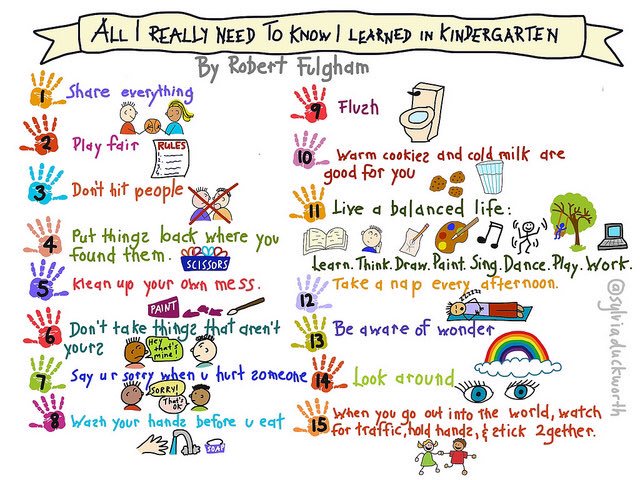
Due Friday, June 14th - All I Really Needed to Know I Learned in Mr. Pellerin's Freshmen English

Overview :  Go back to our first blog, and walk through the 2018-2019 school year.  Revisit the books we read and our class responses.  Look...